News · Mikołaj Skubina · 25.03.2026
The NORD frequency inverter is responsible for smooth motor speed regulation, torque control, soft starting and better matching of drive operation to the real load. A well-executed drive configuration improves process stability, reduces overloads and makes fault diagnosis easier. Incorrect settings, however, can trigger alarms, torque loss, overheating, vibration or an incorrect motor start.
In practice, many problems do not result from device damage but from the fact that the frequency inverter has settings not matched to the motor name plate, the nature of the application or the starting method. This is particularly important in transport systems, intralogistics, the food industry and other applications where NORD combines geared motors, motors and frequency inverters into a single drive system.
SPEC SERWIS supports customers in the area of NORD drives with advice, helps with solution selection, parameterisation and contact with the manufacturer, and also installs and programmes NORD frequency inverters. Such support matters especially when alarms keep coming back despite a seemingly correct installation.
What a frequency inverter does in a drive system
A frequency inverter changes the frequency and voltage of the motor supply. This allows stepless speed control, improves the smooth running of the system, reduces mechanical shocks and better matches the drive to the process's momentary demand. In NORD solutions such devices are available both as control cabinet versions and as decentralised designs.
This means that a well-configured frequency inverter is not merely a "speed regulator". In practice it also affects drive operating safety, start stability, overload limitation and access to diagnostic data. NORD also provides NORDCON tools, which are used for commissioning, parameterisation, service handling and creating backups of device data.
In many industrial applications a frequency inverter also helps to reduce energy consumption and increase control over the process. This matters especially where the load is not constant and the drive must respond smoothly and predictably.
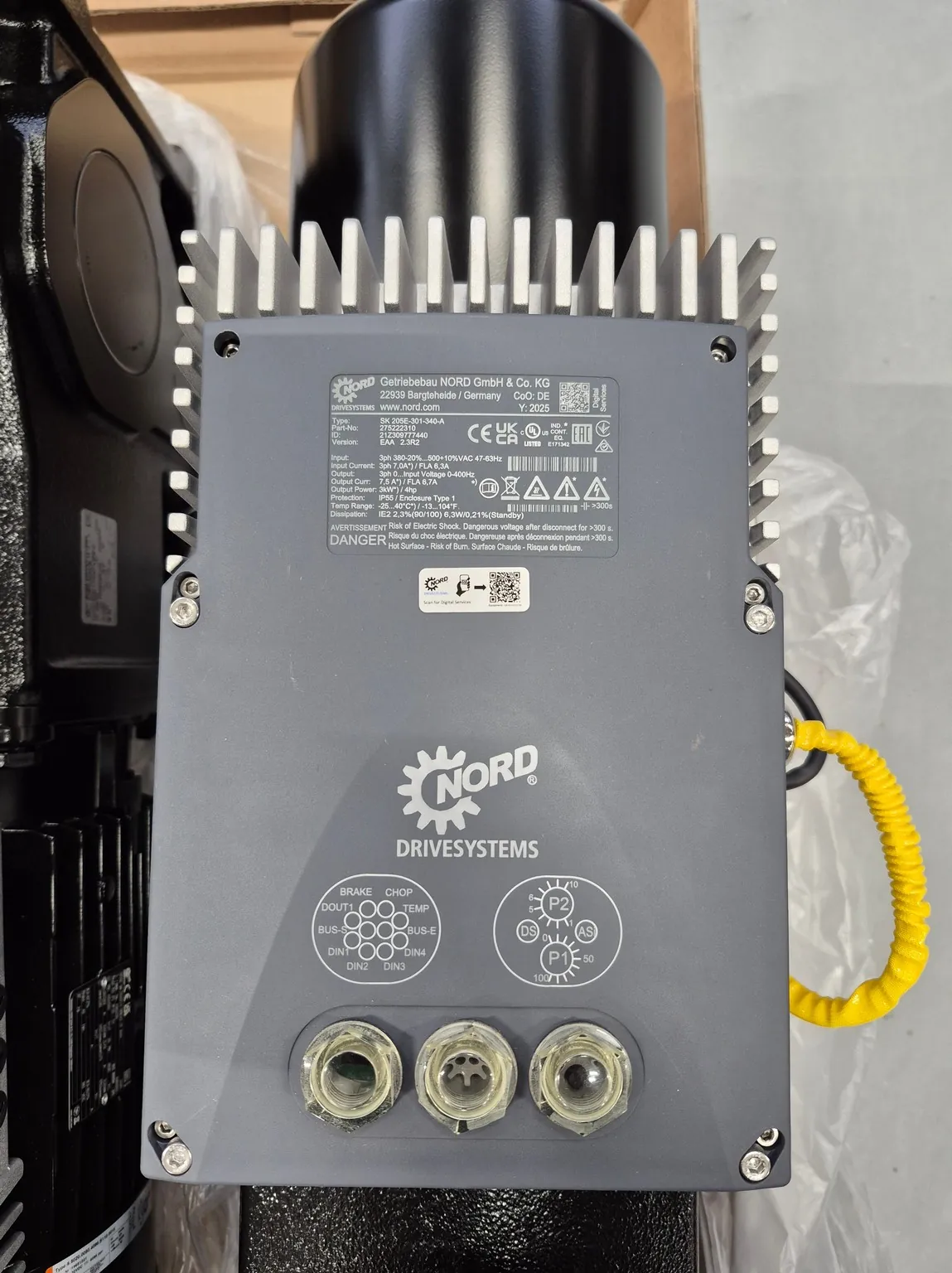
The most common frequency inverter configuration errors
Below are 7 errors that most often cause problems during commissioning and operation of a frequency inverter.
1. Entering incorrect data from the motor name plate
This is one of the most common causes of incorrect operation. If the voltage, current, frequency, power or speed do not match the motor's actual data, the frequency inverter may miscalculate the control conditions. NORD directly recommends that in the case of unusual sounds, vibration or a brief start you check the parameters and match the motor data to the name plate.
2. The wrong control method for the application
Not every application works well on the same settings. A conveyor, an agitator or a fan have different load characteristics. When the control method does not correspond to the machine's real work, the drive may respond sluggishly, generate alarms or lose torque at low speeds. This error is particularly common with quick commissioning without process analysis. NORD's application and commissioning support exists precisely to take these differences into account from the start.
3. Incorrect acceleration and deceleration ramp times
Too short a ramp can cause overload, current spikes and alarms during start-up. Too long a ramp worsens process dynamics and makes it difficult to synchronise line operation. In practice, ramps should result from the system's inertia, the mass of the transported material and the process requirements.
4. Incorrect current and overload limits
If the protections are set too low, the frequency inverter will switch off the drive during momentary load increases that are normal in a given application. If the limits are set too high, the risk of overheating and overloading the entire system grows. The correct setting must take into account both the motor and the gear unit, as well as the nature of the machine's work.
5. Omitting mechanical condition checks when analysing alarms
Users often assume that a frequency inverter alarm means a purely electrical problem. Yet NORD indicates that in the case of noise and vibration you should also check the bearings, motor mounting, fan cover, coupling and alignment in parallel. In other words, frequency inverter errors can be a secondary symptom of a mechanical problem.
6. No parameter backup after commissioning
After a successful start it is worth saving the configuration. In its commissioning materials NORD points to electronic data backup via NORDCON. This matters because when the device is replaced or parameters are changed accidentally, you can quickly return to a working configuration.
7. Configuration not matched to the working environment and system architecture
What matters is not only the motor itself, but also the mounting location, device version, communication and ambient conditions. NORD offers centralised and decentralised solutions with different diagnostic interfaces, degrees of protection and input/output functions. Parameterisation should take into account the real system architecture, not just the drive power alone.
How to set motor parameters correctly
The starting point should always be the name plate. It is on its basis that the most important data needed for correct inverter operation are set. In its service materials NORD clearly emphasises the need for the parameters to match the motor data.
In practice, you should verify above all:
- rated motor voltage,
- rated current,
- power,
- frequency,
- speed,
- connection method and conformity with the supply system.
Next, the ramps, current limits, control method and the inverter's response to overload must be adapted. A good drive configuration does not consist of entering "default" values, but of linking the settings to the real load and the machine's duty cycle.
It is also worth remembering that the motor itself is only one element of the system. In NORD systems it usually works together with a geared motor, gear unit and control automation, so incorrect settings can carry their effects further: onto operating temperature, vibration, starting torque and process stability.
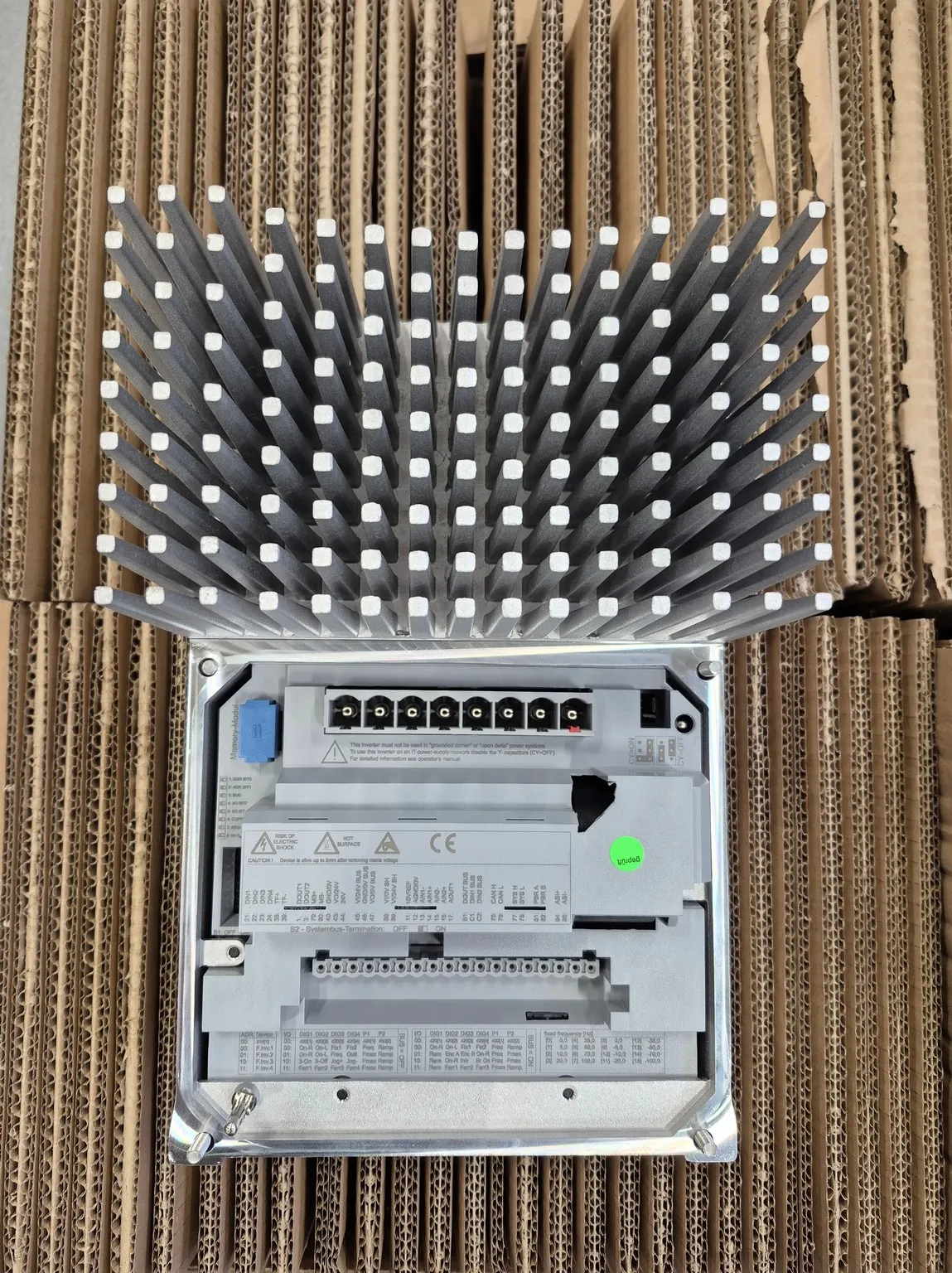
Frequency inverter errors and drive overload
Drive overload does not always mean inverter damage. Very often it is a signal that the system is operating outside the correctly adopted assumptions. The cause may be too heavy a start, a poorly selected ramp, incorrect current limits or a real increase in mechanical resistance in the gear unit, bearings or coupling.
This is exactly why alarm analysis should cover both the electrical and the mechanical side. If the inverter signals an overload and the drive is simultaneously heating up, vibrating or making unusual sounds, diagnostics should not end at the inverter panel alone. The entire power transmission system must be checked.
In an industrial environment, overload can also be the result of process changes. A greater product mass on the conveyor, a change in motion resistance or operation in a different cycle than assumed during commissioning is enough for the earlier settings to stop being optimal. That is why parameters should be verified periodically, especially after a line modernisation.
Frequency inverter alarm diagnostics
Fault diagnosis is best carried out methodically. First you need to establish whether the alarm appears during starting, braking, steady-state operation or only under a specific load. Even this stage allows the list of suspicions to be narrowed down.
The next step is to compare the data entered into the frequency inverter with the motor name plate. NORD repeats this recommendation for several typical symptoms: unusual noise, strong vibration and a short motor start. If these data do not match, further diagnostics may lead to wrong conclusions.
Then it is worth checking:
- alarm history and repeatability of events,
- load conditions at the moment the problem occurred,
- motor and ambient temperature,
- mechanical condition of the mounting, coupling, fan and bearings,
- correctness of the cabling and control logic.
In NORD solutions, the NORDCON tools and the diagnostic and communication functions available in selected device families are helpful. This makes it easier to read parameters, back up data and perform service work. SPEC SERWIS also reads out parameters of NORD frequency inverters, which can be useful with recurring failures or changes of settings after a machine stoppage.
How to optimise drive operation with a frequency inverter
Optimisation starts with correct commissioning. The proper motor data must be selected, the drive's behaviour under real load verified and the final configuration saved. Only then can the inverter operate stably and repeatably.
Observing operating trends is also a good direction. NORD is developing condition monitoring and predictive maintenance solutions in which data from the drive and sensors can support service planning and reduce unplanned stoppages. This is particularly important in applications with a high number of cycles and high production availability.
In practice, optimisation should cover three areas simultaneously: electrics, mechanics and process. A frequency inverter alone will not "fix" a poorly selected drive or a worn mechanical system, but when correctly set it can noticeably improve smooth running, reduce the number of alarms and better protect the motor and gear unit.
For the end user, the most important conclusion is simple: when recurring alarms appear, it is not worth limiting yourself to clearing the error. First check the parameters, conformity with the name plate, load conditions and the mechanical state of the drive. Only then can you reliably assess whether the problem lies in the settings, the application or the component itself.
FAQs
Below we have gathered the most common questions that arise when commissioning and diagnosing NORD frequency inverters.
Do frequency inverter errors always mean device damage?
No. Very often an alarm results from incorrect parameterisation, a mismatch between the motor data and the name plate, or a mechanical problem in the drive. With such symptoms NORD recommends checking both the parameters and the bearings, mounting or coupling.
Which motor data should be set in the frequency inverter first?
The most important are the motor's voltage, current, power, frequency and rated speed. These are the basics without which the inverter may control the drive incorrectly.
What does it mean when the motor starts only for a moment?
This may indicate incorrect parameters, a problem with the brake, motor protection or control system, or too heavy a start for the application. NORD lists precisely these areas as the basic directions of diagnostics.
Can a frequency inverter cause drive vibration?
Yes, if the parameters are set incorrectly. However, remember that vibration can also result from mechanical play, misalignment, worn bearings or mounting problems. That is why diagnostics should cover the whole system.
How do you save the correct settings after commissioning?
It is best to make a parameter backup after commissioning is complete. NORD points to the possibility of electronic data backup via NORDCON, which makes it easier to quickly restore the configuration after a device replacement or an erroneous change of settings.
When is it worth consulting parameterisation with a NORD support partner?
When alarms keep coming back despite basic corrections, the drive works in a demanding application, or the system has been modernised and the earlier settings are no longer current. SPEC SERWIS supports customers with advice, helps with selection, parameterisation and contact with NORD.